Introduction There are many forms of vaccines and components to vaccine composition and Intellectual Property rights such as patent, copyright, trademarks and trade secrets can all be applicable to vaccines. The idea behind this is; It’s only fair, if an Individual or (public) organization spends time, resources and money in vaccine research and development, there should be adequate protection of this novel piece of work.
Vaccine Regulation in Nigeria Every country has a regulatory body that regulates vaccine safety and effectiveness prior to it being publicly circulated. Globally, the World Health Organization (WHO) takes rigorous tests and steps to ensure vaccines are safe for the general public before signing off on them. In Nigeria, the Nigerian National Agency for Food and Drug Administration and Control (NAFDAC) is tasked with the duty of regulatory checks and approval of vaccines, medicines and other critical health technologies for public use and delivery in Nigeria.
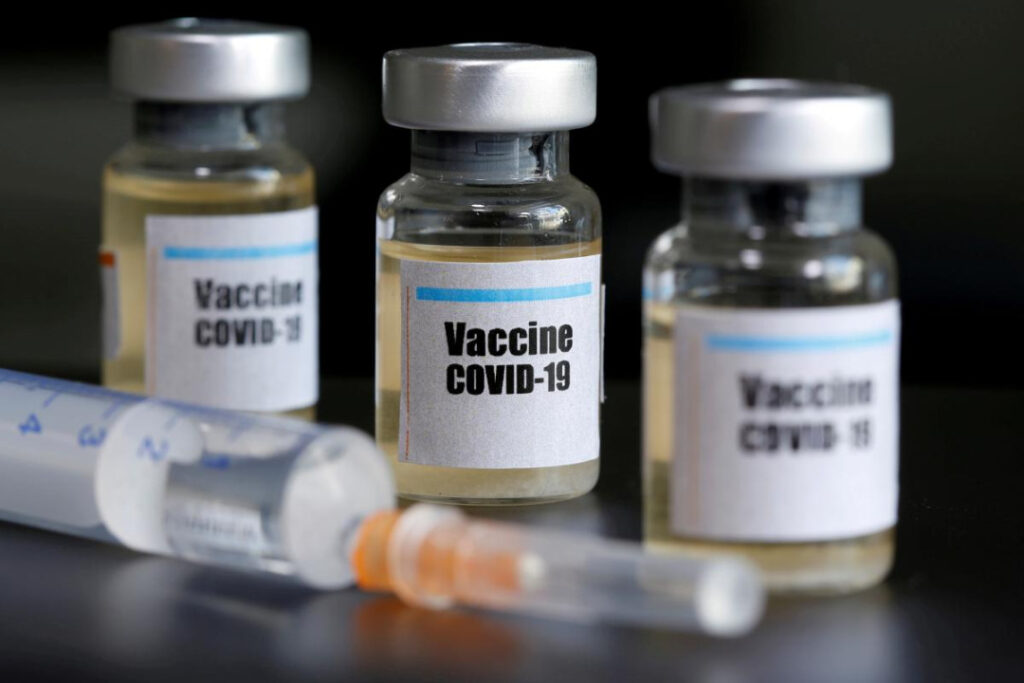
The COVID19 Vaccine
With several promising vaccine candidates, at the time of this article, the Pfizer/BioNTech, Moderna and Oxford-AstraZeneca vaccines have been approved for use in dozens of countries like the United States of America, United Kingdom, Argentina, Brazil, Germany and recently, Nigeria.
Patent Law, Vaccines and Public Policy The intellectual property system for Pharmaceutical creations is governed by the World Trade Organization (WTO). Specifically, it’s regulated by the Trade-Related Aspects of Intellectual Property Rights agreement (TRIPS). Due to the many forms of vaccines and components to vaccine composition, the agreement obliges all WTO member states to offer 20 years of monopoly protection on new patented products. If the patent holder has a patent that applies to that particular country, the said country is prohibited from reverse engineering or otherwise trying to develop a generic equivalent. It provides a guarantee of monopoly protection, during which time the manufacturer is able to set whatever price or conditions it wants to set with regards access to its invention. This begs the question, should a raging pandemic be a sufficient reason to waive this agreement temporarily, especially as it regards public health? I believe so.
At the October 2020 WTO’s TRIPS Council, South Africa and India proposed the WTO waive the application of certain provisions of the TRIPS Agreement for the duration of the pandemic in order to help widen access to technologies necessary for the production of vaccines and medicines. An example of what changes to the current intellectual property regime can bring about, is the case of Antiretroviral drugs and HIV/Aids. Once multiple countries like Brazil and South Africa started to manufacture Antiretrovirals, the prices crashed and countries could access it, making the medicines available to those who depended on it to survive. Fundamentally, if intellectual property rights are released to countries that have the capacity to manufacture these vaccines, there’s going to be more vaccines, distributed at a faster rate.
Practically, Vaccines are quickly developed for one of two reasons. One is that Pharmaceutical companies are funded in Billions of dollars, usually from public support for vaccine development. Second reason is that Advance Purchase Agreements by Governments are entered into to ensure costs are recovered; none of these reasons are linked to social and moral inventiveness.
In conclusion, Governments around the world are facing challenges securing safe and affordable access to effective vaccines, and essential medical tools in combating COVID-19. The weight of this burden is heavier on many developing countries, including African nations, faced with developing and manufacturing roadblocks due to IP barriers and infrastructural gaps. The effects of this pandemic calls for all new and existing intellectual property, technology, and data related to COVID-19 health technologies to be efficiently utilised by relevant stakeholders. Specialized agencies like the WHO need to fulfil their core obligations of protecting public health and ensuring access to medicines for all. The TRIPS waiver proposal by India and South Africa presents an important opportunity for all governments to unite, take a stand for public health and equitable access to healthcare that can provide an automatic and expedited solution to COVID-19.
-Damola Oyebo writes from A&E Law Partnership, Abuja